VA Disability Rating for Knee, other impairment of (DC 5257)
Body system: Musculoskeletal SystemRegulation: 38 CFR § 4.71aDBQ: DBQ MUSC Knee and lower leg
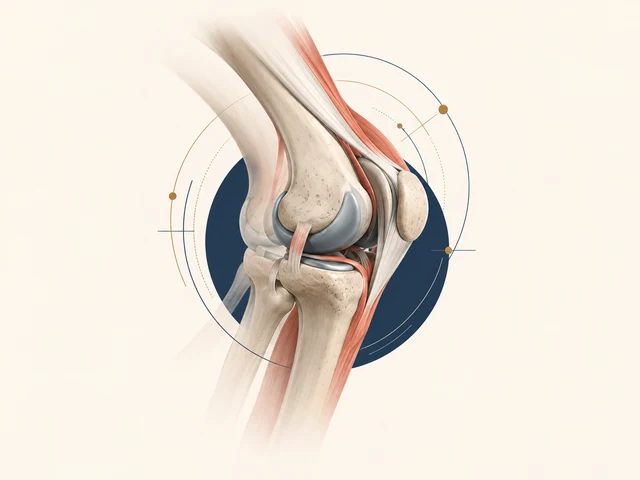
Diagnostic Code 5257 covers knee instability and is split into two sub-categories, each with its own 10-30% ladder. Recurrent subluxation or instability (general knee ligament instability) is rated by severity of ligament damage and whether a medical provider has prescribed a brace, an assistive device (cane, crutches, walker), or both. Patellar instability (the kneecap repeatedly slipping out of place) is rated separately, by whether surgical repair has been attempted and what equipment the doctor has prescribed. In both sub-categories, the 30% top tier requires the most severe combination (an unrepaired or failed-repair complete ligament tear plus both a brace and a walking device; or patellar instability after surgical repair plus brace plus cane or walker).
Rating levels
30% — Your knee keeps slipping out of place (subluxation) or is unstable because you have a completely torn ligament that either wasn't surgically repaired or the surgery didn't work. Your doctor has prescribed both an assistive walking device like a cane, crutches, or walker AND a knee brace that you need to use together when walking.
20% — You qualify for 20% on either of two paths. PATH A: you have a sprain, an incomplete ligament tear, or a fully torn ligament that was successfully repaired by surgery, and your knee is still unstable enough that your doctor has prescribed a brace and/or a walking aid (cane, crutches, walker). PATH B: you have a fully torn ligament that was never repaired or the repair failed, and your doctor has prescribed either a brace OR a walking aid (not both — both gets you to 30%).
10% — You have a knee injury involving damaged ligaments - either a sprain (stretched ligament), partial tear, or complete tear of a ligament that may or may not have been surgically repaired. This injury causes your knee to feel unstable or give way during normal activities, but your symptoms are manageable enough that your doctor hasn't prescribed you a cane, crutches, walker, or knee brace to help you walk.
30% — You have an unstable kneecap (patella) condition where your kneecap keeps sliding out of place or dislocating, even after you've had surgery to try to fix it. A doctor must have prescribed you a knee brace AND either a cane or walker because your knee is so unstable that you need these devices to move around safely.
20% — Your kneecap (patella) keeps slipping out of place or feels unstable even after you've had surgery to fix it. A doctor must prescribe you a brace, cane, or walker to help you move around safely because of this ongoing knee instability.
10% — Your kneecap (patella) frequently slips out of place or feels unstable when you move, and this has been diagnosed by a doctor as a problem with how your kneecap sits in the groove of your thigh bone (patellofemoral complex). The instability happens repeatedly but is not severe enough that your doctor has prescribed a brace, cane, or walker to help you get around, whether or not you've had surgery to try to fix the problem.
Disclaimer: This tool is for informational purposes only and is not legal or medical advice. Always consult with your VSO representative or a qualified veterans benefits attorney for guidance on your specific claim.