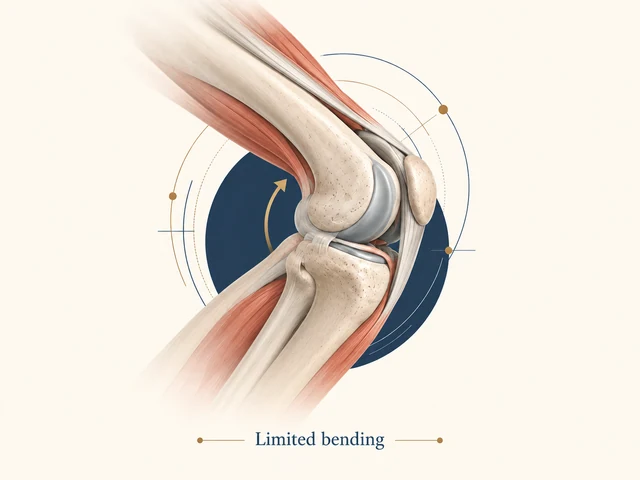
VA Disability Rating for Leg, limitation of flexion of (DC 5260)
Body system: Musculoskeletal SystemRegulation: 38 CFR § 4.71aDBQ: DBQ MUSC Knee and lower leg
This rating covers when you can't bend your leg normally at the knee joint - specifically, how far you can pull your heel toward your buttocks. The VA measures this limitation in degrees, where a healthy knee can typically flex to about 140 degrees. Your rating depends on how severely limited your knee flexion is, ranging from 0% for mild limitation (can only bend to 60 degrees) up to 30% for severe limitation (can only bend to 15 degrees).
Rating levels
30% — Your knee bends only 15 degrees from a straight leg (flexion means bending the joint). A healthy knee bends to about 140 degrees, so at this level the knee barely bends at all.
20% — Your knee bends only 30 degrees from a straight leg (flexion means bending the joint). A healthy knee bends to about 140 degrees, so this is a severe loss of bending.
10% — Your knee bends only 45 degrees from a straight leg (flexion means bending the joint). That is about one-third of the roughly 140 degrees a healthy knee bends.
0% — You can only bend your leg forward to 60 degrees (flexion means bending a joint forward). A normal leg can bend about 120-135 degrees at the knee, so this rating applies when your leg movement is significantly restricted and you can only achieve less than half of normal bending range.
Disclaimer: This tool is for informational purposes only and is not legal or medical advice. Always consult with your VSO representative or a qualified veterans benefits attorney for guidance on your specific claim.