VA Disability Rating for Tibia and fibula, impairment of (DC 5262)
Body system: Musculoskeletal SystemRegulation: 38 CFR § 4.71aDBQ: DBQ MUSC Knee and lower leg
This diagnostic code covers problems with your tibia and fibula - the two bones in your lower leg between your knee and ankle. The VA rates these injuries based on how long you've needed treatment and whether that treatment has been effective. Ratings range from 0% to 40%, with the highest rating (40%) reserved for cases where the bones haven't healed properly and you need a brace to walk.
Rating levels
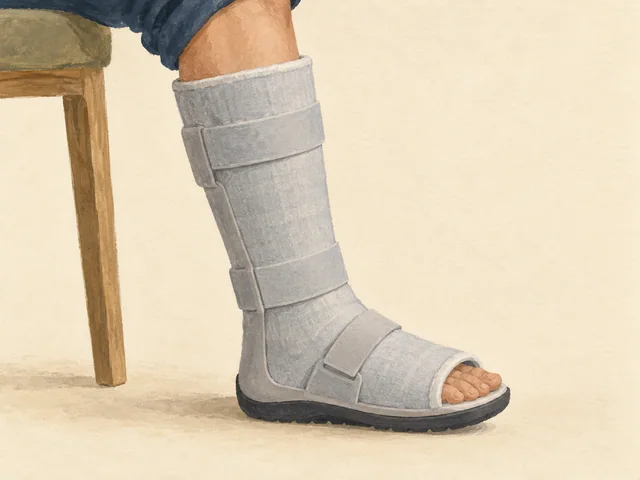
40% — Your tibia and fibula bones (the two bones in your lower leg) failed to heal back together properly after a break, creating abnormal movement and instability in your leg that requires you to wear a supportive brace. The broken bones move loosely against each other instead of being solidly connected, which affects your ability to walk and bear weight normally.
30% — You must have shin splints (painful condition along the shin bone) in both legs that has required continuous treatment for at least 12 months straight. The condition must not have improved despite trying surgery and either special shoe inserts (orthotics) or other non-surgical treatments like physical therapy or medication.
20% — You must have shin splints (chronic pain along the inner edge of your shinbone) in one leg that has required continuous treatment for at least 12 months straight. Your condition must not have improved despite trying surgery and either special shoe inserts (orthotics) or other non-surgical treatments like physical therapy, rest, or medication.
10% — You qualify if you have shin splints (pain along the shinbone from overuse or stress) that have required continuous medical treatment for at least 12 months straight without getting better. The condition must not have improved despite trying shoe inserts (orthotics) or other non-surgical treatments like rest, physical therapy, or medications. This can affect one leg or both legs.
0% — You qualify under this criteria if you have medial tibial stress syndrome (also called shin splints, which causes pain along the inner edge of your shinbone) and have been receiving treatment for less than 12 months in a row. This applies whether the condition affects one leg or both legs.
Note — When the tibia or fibula healed in a bad position (malunion), the VA rates the knee or ankle impairment it causes under the knee codes (DC 5256, 5257, 5260 or 5261) or the ankle codes (DC 5270 or 5271), whichever gives the highest rating.
Disclaimer: This tool is for informational purposes only and is not legal or medical advice. Always consult with your VSO representative or a qualified veterans benefits attorney for guidance on your specific claim.