VA Disability Rating for Emphysema, pulmonary (DC 6603)
Body system: Respiratory SystemRegulation: 38 CFR § 4.97DBQ: DBQ RESP Respiratory Conditions (Other than Tuberculosis and Sleep Apnea)
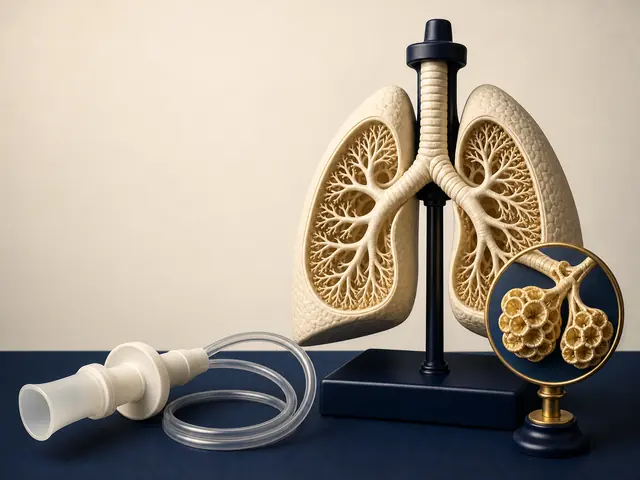
Emphysema is a lung disease where the air sacs in your lungs become damaged, making it harder to breathe and get oxygen into your bloodstream. The VA rates emphysema from 10% to 100% based on how well your lungs work, measured through breathing tests and your body's ability to use oxygen. Higher ratings reflect more severe breathing problems that limit your daily activities and may require oxygen therapy or cause heart complications.
Rating levels
100% — You qualify for this rating if your lung function tests show your breathing capacity is severely reduced to less than 40% of what's expected for someone your age and size, or if your maximum exercise ability is extremely limited (less than 15 ml/kg/min oxygen consumption). You also qualify if you have serious heart complications from your lung disease like right heart failure, an enlarged right side of your heart, or high blood pressure in your lungs, or if you've had episodes where you couldn't breathe well enough and needed emergency treatment (acute respiratory failure). Additionally, if you need to use oxygen therapy at home or as an outpatient, you meet the criteria for this rating level.
60% — You qualify with any one of four test results: FEV-1 (the air you can force out in one second) of 40 to 55 percent of the predicted value; an FEV-1/FVC ratio of 40 to 55 percent (the share of your full forced breath that comes out in the first second, an actual ratio rather than a percent of predicted); DLCO (how well your lungs pass oxygen into the blood) of 40 to 55 percent predicted; or a maximum oxygen consumption on exercise testing of 15 to 20 ml/kg/min with a cardiorespiratory limitation. At this level your emphysema limits you to about half of normal lung function.
30% — You qualify with any one of three test results: FEV-1 (the air you can force out in one second) of 56 to 70 percent of the predicted value for someone your age, sex and size; an FEV-1/FVC ratio of 56 to 70 percent (the share of your full forced breath that comes out in the first second, an actual ratio rather than a percent of predicted); or DLCO (how well your lungs pass oxygen into the blood) of 56 to 65 percent predicted. At this level your emphysema clearly limits your breathing, but you keep more than half of normal lung function.
10% — To qualify for this rating level, your lung function tests must show mild impairment in one of three key measurements. Either your FEV-1 (the amount of air you can forcefully exhale in one second) is 71-80% of what's expected for someone your age and size, or your FEV-1/FVC ratio (how much air you can blow out compared to your total lung capacity) is 71-80%, or your DLCO test (which measures how well oxygen moves from your lungs into your blood) shows 66-80% of normal function.
Disclaimer: This tool is for informational purposes only and is not legal or medical advice. Always consult with your VSO representative or a qualified veterans benefits attorney for guidance on your specific claim.