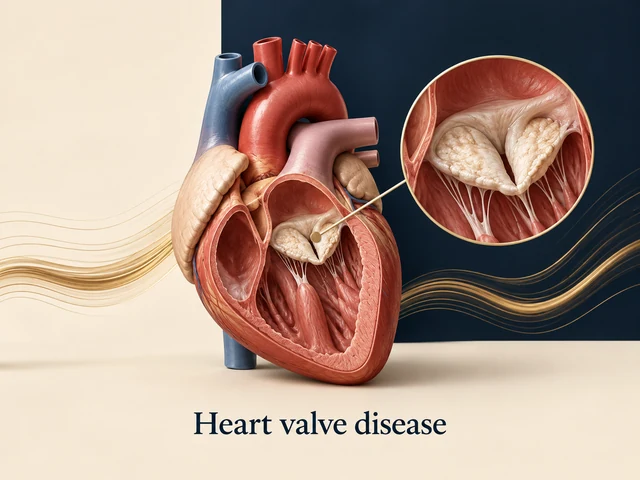
Valvular heart disease affects the heart's valves that control blood flow between chambers, and can include damage from rheumatic fever. The VA rates this condition based on how much physical activity (measured in METs - units of energy your body uses) triggers heart failure symptoms like shortness of breath, chest pain, or extreme fatigue. Ratings range from 10% for symptoms during moderate exercise (like mowing the lawn) up to 100% for symptoms during very light activities (like slow walking or getting dressed).
Rating levels
100% — You qualify for 100% during an active infection with cardiac involvement, and for three months after therapy for the active infection ends. After that three-month window, the rating moves to the General Rating Formula for Diseases of the Heart (the levels below), based on the workload at which heart failure symptoms appear and on any structural changes to the heart.
100% — You qualify for 100% under the General Rating Formula for Diseases of the Heart if exercise testing (or a medical examiner's estimate when testing cannot be done) shows that a workload of 3.0 METs or less brings on heart failure symptoms such as breathlessness, fatigue, chest pain (angina), dizziness, irregular heartbeat, palpitations, or fainting. 3.0 METs is roughly equivalent to slow walking on a level surface, so this rating means even minimal activity brings on symptoms.
60% — You qualify for 60% if a workload of 3.1 to 5.0 METs brings on heart failure symptoms (such as breathlessness, fatigue, chest pain, dizziness, palpitations, or fainting). The 3-5 MET range covers activities like light housework, slow walking, and dressing.
30% — You qualify for 30% if a workload of 5.1 to 7.0 METs brings on heart failure symptoms, OR if you have evidence of cardiac hypertrophy (thickening of the heart muscle) or dilatation (enlargement of the heart chambers) confirmed by echocardiogram or an equivalent test such as a MUGA scan or cardiac MRI. The 5-7 MET range covers brisk walking, climbing stairs at a normal pace, and light cycling.
10% — You qualify for 10% if a workload of 7.1 to 10.0 METs brings on heart failure symptoms, OR if you require continuous medication for control. The 7-10 MET range covers heavier exertion like jogging, vigorous cycling, or carrying heavy loads upstairs.
Note — After the three months that follow treatment of an active infection, valvular heart disease is rated under the General Rating Formula for Diseases of the Heart (the levels shown here). The diagnosis must be confirmed by findings on physical examination and by an echocardiogram, a Doppler echocardiogram, or cardiac catheterization.
Disclaimer: This tool is for informational purposes only and is not legal or medical advice. Always consult with your VSO representative or a qualified veterans benefits attorney for guidance on your specific claim.