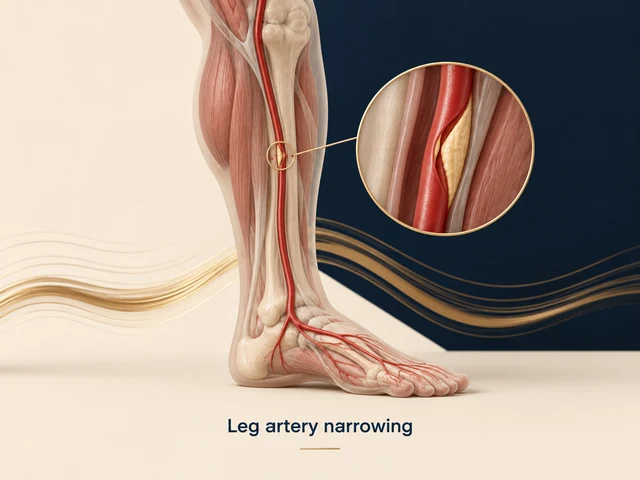
Peripheral arterial disease (PAD) happens when your arteries get narrowed or blocked, reducing blood flow to your arms or legs. The VA rates PAD based on specific blood pressure measurements and oxygen levels in your extremities, with ratings from 20% to 100%. Higher ratings reflect more severe blockages that cause significant pain, walking problems, and potential tissue damage.
Rating levels
100% — You qualify for this rating level if medical tests show that blood flow to your arms or legs is severely restricted. Specifically, you need at least one of these test results: an ankle/brachial index (a comparison of blood pressure in your ankle versus your arm) of 0.39 or lower, blood pressure in your ankle below 50, blood pressure in your toe below 30, or an oxygen measurement through your skin below 30. These numbers indicate that your peripheral arterial disease has progressed to the point where your limbs are getting dangerously little blood and oxygen.
60% — Blood flow to your arms and legs is significantly reduced, as shown by specific medical tests that measure circulation. These tests include the ankle/brachial index (comparing blood pressure in your ankle to your arm), direct pressure measurements in your ankle or toe, or oxygen levels measured through your skin. Your test results must fall within certain ranges that indicate seriously impaired blood circulation, which typically causes symptoms like pain when walking, slow-healing wounds, or cramping in your legs.
40% — You qualify if medical tests show that blood flow to your legs or feet is significantly reduced. This includes having an ankle/brachial index (a test comparing blood pressure in your ankle to your arm) between 0.54-0.66, ankle blood pressure between 66-83 mm Hg, toe blood pressure between 40-49 mm Hg, or oxygen levels measured through your skin between 40-49 mm Hg. These test results indicate your arteries are moderately blocked, restricting blood flow to your extremities.
20% — You qualify at this level if medical tests show moderately reduced blood flow to your arms or legs. This includes having an ankle/brachial index (a comparison of blood pressure in your ankle versus your arm) between 0.67-0.79, ankle blood pressure of 84-99, toe blood pressure of 50-59, or reduced oxygen levels in your skin tissue measuring 50-59. These test results indicate your peripheral arterial disease is causing significant but not severe circulation problems in your extremities.
Note — The ankle/brachial index (ABI) used in the levels above is the systolic blood pressure at the ankle divided by the systolic pressure in the arm, measured at the same time; for this code a normal ABI is 0.80 or higher. Normal ankle pressure is 100 mm Hg or higher, normal toe pressure 60 mm Hg or higher, and normal transcutaneous oxygen tension (measured on the foot) 60 mm Hg or higher. Every measurement must come from objective testing.
Note — If the ankle pressure, toe pressure and transcutaneous oxygen tests are not in your records, the VA rates on the ABI alone, unless the examiner states that one of those tests is needed because the ABI does not show how severe the disease is. When the other tests are of record, the rating is based on whichever test shows the greatest impairment.
Note — Residuals of aortic or large artery bypass surgery or an arterial graft are rated as peripheral arterial disease under this code.
Note — Each level rates one leg or arm. When more than one limb is affected, each is rated separately and the ratings are combined, with the bilateral factor of 38 CFR 4.26 when it applies.
Disclaimer: This tool is for informational purposes only and is not legal or medical advice. Always consult with your VSO representative or a qualified veterans benefits attorney for guidance on your specific claim.