VA Disability Rating for Gastroesophageal reflux disease (DC 7206)
Body system: Digestive SystemRegulation: 38 CFR § 4.114DBQ: DBQ GI Esophageal Disorders
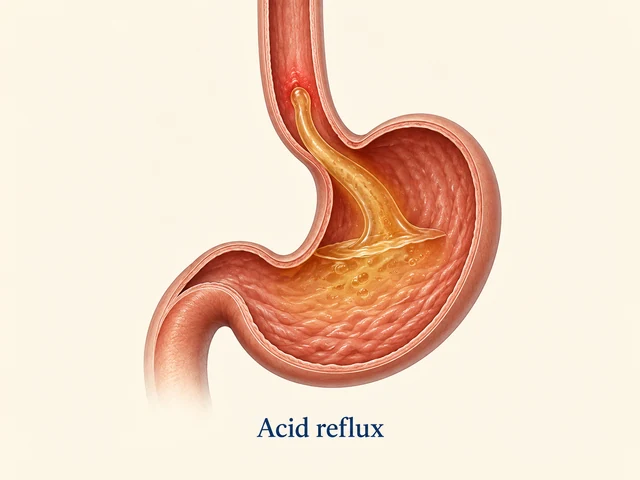
GERD is when stomach acid regularly backs up into your esophagus (the tube connecting your mouth to your stomach), causing heartburn and potentially serious complications. The VA rates GERD based on how severe the complications are, specifically looking at esophageal strictures (narrowing of the esophagus) that make swallowing difficult. Ratings range from 0% for mild cases controlled by daily medication up to 80% for severe cases requiring surgery or feeding tubes due to malnutrition and weight loss.
Rating levels
80% — You must have a documented history of recurring or treatment-resistant narrowing of your esophagus (the tube connecting your throat to your stomach) that makes swallowing difficult, plus at least one of these serious complications: breathing food or liquid into your lungs, being undernourished, or losing substantial weight as defined in VA regulations. You must also have been treated with surgery to widen the esophagus or had a feeding tube surgically placed through your stomach wall.
50% — You must have a documented medical history of esophageal stricture (narrowing of the food tube) that keeps coming back or doesn't respond well to treatment, and this narrowing causes dysphagia (difficulty swallowing). To qualify, you need one of these treatments: having your esophagus stretched open 3 or more times per year, having it stretched with steroids at least once yearly, or having a stent (tube-like device) placed in your esophagus to keep it open.
30% — You have a documented medical history of your esophagus (the tube that carries food from your mouth to your stomach) narrowing repeatedly, which causes dysphagia (difficulty swallowing). This swallowing problem is serious enough that you need a medical procedure called dilatation (where doctors stretch open the narrowed area) up to twice per year to help you swallow properly.
10% — You have a documented medical history of esophageal stricture (narrowing of the tube that carries food from your mouth to your stomach) and you need to take daily medication to control dysphagia (difficulty swallowing). Other than needing daily medication for swallowing problems, you don't have any other symptoms from this condition.
0% — You have medical records showing you've had a stricture of the esophagus (narrowing of the tube that carries food from your throat to your stomach) in the past, but you don't experience symptoms from it every day and don't need to take medications daily to manage it. Your condition is documented in your medical history but isn't currently causing significant ongoing problems that require daily treatment.
Note — The findings in the levels above must be documented by a barium swallow, a CT scan or an endoscopy (EGD).
Note — Complications of the procedures that are outside the digestive system are rated under the body system they affect.
Note — This code also covers esophagitis from mechanical or chemical injury, Mallory-Weiss syndrome from swallowing acid or alkali, and the other esophageal conditions the note lists.
Note — A recurrent stricture is one where the esophagus cannot hold its target width for more than 4 weeks after that width was reached by dilatation.
Note — A refractory stricture is one where the target width cannot be reached even after at least 5 dilatation sessions two weeks apart.
Explore GERD Resources
Pick a group to see its pages. Everything here is a link to another page on this site.
Disclaimer: This tool is for informational purposes only and is not legal or medical advice. Always consult with your VSO representative or a qualified veterans benefits attorney for guidance on your specific claim.