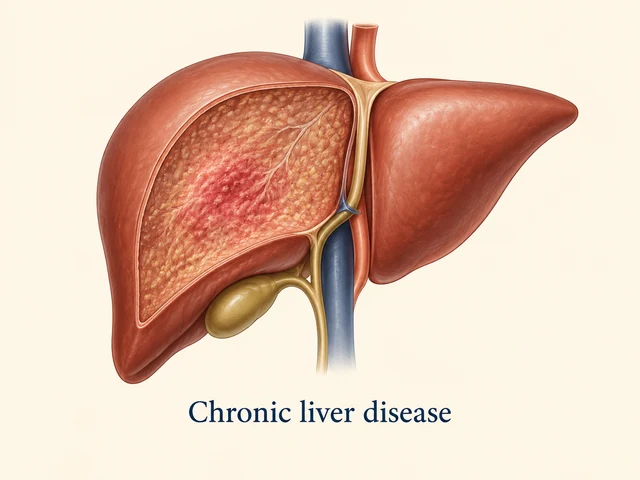
VA Disability Rating for Chronic liver disease without cirrhosis (DC 7345)
Body system: Digestive SystemRegulation: 38 CFR § 4.114DBQ: DBQ GI Liver Conditions
Chronic liver disease without cirrhosis means your liver is damaged and inflamed long-term, but hasn't progressed to the scarring stage called cirrhosis. The VA rates this condition from 0% to 100% based on how severe your symptoms are, what medications you need, and how much the disease affects your daily life. Higher ratings require more intensive treatments and more debilitating symptoms like significant weight loss, constant fatigue, and an enlarged liver.
Rating levels
100% — You need to have progressive chronic liver disease that's severe enough to require two specific types of IV medications given through your veins: direct antiviral agents (medicines that fight the virus directly) and immunomodulatory therapy like interferon (medicines that boost your immune system to fight the disease). This rating also applies during the six months after you stop taking these treatments, since your body is still recovering from both the disease and the intensive medication regimen.
60% — To qualify at this level, you must have chronic liver disease that's getting worse over time and requires you to take medication every day. You also need to have significant weight loss plus at least two of these six symptoms: feeling tired every day, general feeling of being unwell (malaise), loss of appetite (anorexia), enlarged liver (hepatomegaly), severe itching (pruritus), or joint pain (arthralgia).
40% — You have ongoing liver disease that's getting worse over time and requires you to take medicine every day, plus you've lost some weight because of it. On top of that, you must have at least two of these problems: feeling tired every day, feeling generally unwell or sick (malaise), loss of appetite (anorexia), enlarged liver (hepatomegaly), constant itching (pruritus), or joint pain (arthralgia).
20% — To qualify for this rating, you must have chronic liver disease that hasn't progressed to cirrhosis (severe scarring of the liver), plus at least one of these symptoms: periods of tiredness or fatigue that come and go, malaise (general feeling of being unwell or "blah"), loss of appetite, an enlarged liver, or itchy skin. You need documented evidence of the liver disease along with at least one of these ongoing symptoms affecting your daily life.
0% — You had liver disease in the past, but you're not experiencing any symptoms from it right now. Your liver condition is essentially inactive or well-controlled, meaning you don't have ongoing problems like fatigue, nausea, pain, or other issues that affect your daily life.
Disclaimer: This tool is for informational purposes only and is not legal or medical advice. Always consult with your VSO representative or a qualified veterans benefits attorney for guidance on your specific claim.