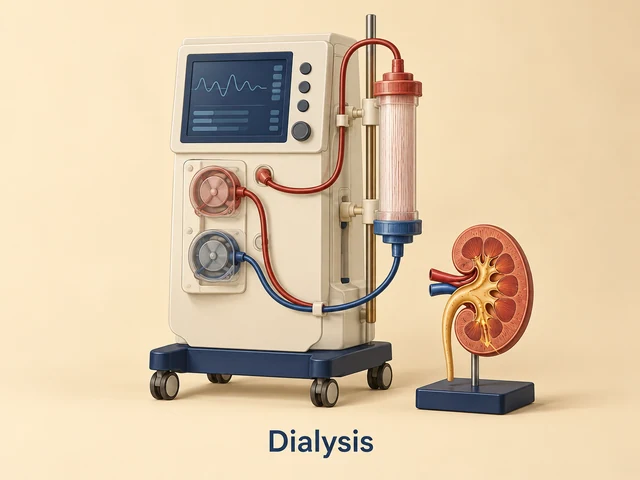
DC 7530 covers chronic renal disease that requires regular routine dialysis (hemodialysis or peritoneal dialysis). Causes include any chronic kidney disease that has progressed to Stage 5 (end-stage renal disease), including diabetic nephropathy, hypertensive nephrosclerosis, glomerulonephritis, polycystic kidney disease, and chronic pyelonephritis. The VA rates this condition at 100% any time regular dialysis is required, derived from the renal dysfunction ladder (38 CFR § 4.115a). If dialysis is later discontinued — most commonly following a successful kidney transplant — the rating is reassessed under the full renal dysfunction ladder. Transplant recipients also qualify for 100% under that ladder.
Rating levels
100% — You qualify for 100% any time you are on regular routine dialysis (hemodialysis or peritoneal dialysis) for chronic renal disease. The 100% rating is automatic and continues as long as dialysis is required. The rating is derived from the renal dysfunction ladder (38 CFR § 4.115a), which lists 'requiring regular routine dialysis' as one of the criteria for the 100% tier (the others being GFR less than 15 mL/min/1.73 m² for 3+ consecutive months and being an eligible kidney transplant recipient).
Note — If your dialysis is ever discontinued — most commonly because of a successful kidney transplant, but also possibly because of recovery of renal function in acute-on-chronic cases — the rating is reassessed under the full renal dysfunction ladder (100/80/60/30/0%). Post-transplant, the 100% rating continues because 'eligible kidney transplant recipient' is also a 100% criterion. Recovery of renal function would step you down based on GFR. Any reduction from 100% must follow the due-process protections of 38 CFR § 3.105(e), including written notice and a 60-day period to submit evidence.
Disclaimer: This tool is for informational purposes only and is not legal or medical advice. Always consult with your VSO representative or a qualified veterans benefits attorney for guidance on your specific claim.