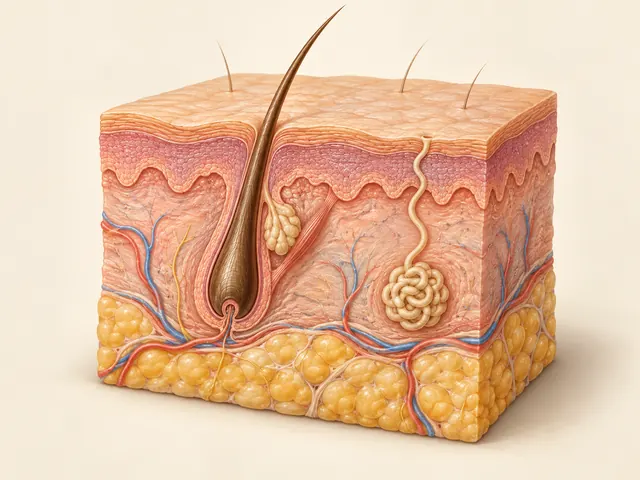
Dermatophytosis is a fungal infection of the skin commonly known as ringworm, athlete's foot, jock itch, or nail fungus. The VA rates this condition under the General Rating Formula for the Skin (38 CFR § 4.118) from 0% to 60%. The rating depends on how much of your whole body or exposed skin the characteristic lesions cover, and on whether systemic therapy (treatment given by a route other than on the skin, such as pills or injections) was required over the past 12 months. If no more than topical therapy was required and the lesions cover less than 5 percent of the body or of exposed areas, the rating is 0%.
Rating levels
60% — You qualify for 60% if your dermatophytosis (ringworm) is severe enough to meet either of these: characteristic fungal lesions cover more than 40% of your entire body or more than 40% of your exposed areas (face, neck, hands), or you have needed strong systemic medications like corticosteroids, phototherapy, retinoids, biologics, PUVA, or other immunosuppressive drugs almost constantly over the past 12 months.
30% — You qualify for 30% if either: characteristic dermatophytosis lesions cover 20% to 40% of your entire body or 20% to 40% of your exposed areas, or you have needed systemic medications (corticosteroids, phototherapy, retinoids, biologics, PUVA, or other immunosuppressive drugs) for a total of 6 weeks or more, but not constantly, over the past 12 months.
10% — You qualify for 10% if any of these apply: characteristic dermatophytosis lesions cover at least 5% but less than 20% of your entire body; characteristic lesions cover at least 5% but less than 20% of your exposed areas; or you have needed intermittent systemic medications (corticosteroids, phototherapy, retinoids, biologics, PUVA, or other immunosuppressive drugs) for a total of less than 6 weeks over the past 12 months.
0% — You qualify for 0% (a non-compensable rating) if both: you have needed no more than topical creams or ointments over the past 12 months, and your characteristic ringworm lesions cover less than 5% of either your entire body or your exposed areas. The condition is service-connected but is not currently disabling enough for monthly compensation.
Disclaimer: This tool is for informational purposes only and is not legal or medical advice. Always consult with your VSO representative or a qualified veterans benefits attorney for guidance on your specific claim.