VA Disability Rating for Peripheral vestibular disorders (DC 6204)
Body system: EarRegulation: 38 CFR § 4.87DBQ: DBQ ENT Ear (Including Vestibular and Infectious)
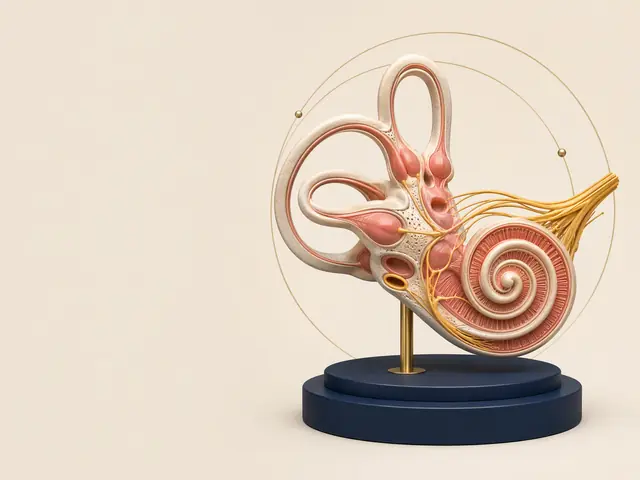
Peripheral vestibular disorders affect the inner ear's balance system (semicircular canals and otolith organs), causing dizziness, vertigo, and equilibrium problems. The VA rates this condition at 10% for occasional dizziness or 30% for dizziness plus occasional staggering (loss of balance enough to stumble when walking). TWO IMPORTANT RULES per the Note to DC 6204: (1) the dizziness must be supported by OBJECTIVE FINDINGS of vestibular disequilibrium on examination (subjective complaints alone do not qualify for a compensable rating), and (2) any accompanying hearing loss is rated separately under DC 6100, and any accompanying suppurative ear disease is rated separately under DC 6200, with the ratings combined under 38 CFR § 4.25.
Rating levels
30% — You qualify for 30% if your peripheral vestibular disorder causes both dizziness AND occasional staggering (loss of balance that makes you stumble or veer off course when walking or standing). The dizziness episodes must be supported by objective findings of vestibular disequilibrium documented on examination (e.g., abnormal Romberg test, abnormal videonystagmography, or other neurotologic findings), subjective complaints alone are not enough to qualify for a compensable rating under this code.
10% — You qualify for 10% if your peripheral vestibular disorder causes occasional dizziness (lightheadedness, vertigo, or a sense of unsteadiness) without the staggering required for the 30% tier. Per the Note to DC 6204, the dizziness must be supported by objective findings of vestibular disequilibrium documented on examination (e.g., abnormal Romberg test, abnormal videonystagmography, or other neurotologic findings), subjective complaints alone are not enough to qualify for a compensable rating.
Note — Two important rules apply to DC 6204. RULE 1: subjective complaints of dizziness alone are NOT enough to get a compensable rating. The examiner must document objective findings of vestibular disequilibrium (such as an abnormal Romberg test, abnormal videonystagmography (VNG), abnormal head-impulse test, or other neurotologic findings). Without objective findings the rating is 0%. RULE 2: if you also have hearing loss or chronic suppurative (pus-producing) ear disease, those are NOT bundled into the 6204 rating. They are rated SEPARATELY under DC 6100 (Hearing impairment) and DC 6200 (Chronic suppurative otitis media) and the ratings are combined under 38 CFR § 4.25.
Disclaimer: This tool is for informational purposes only and is not legal or medical advice. Always consult with your VSO representative or a qualified veterans benefits attorney for guidance on your specific claim.