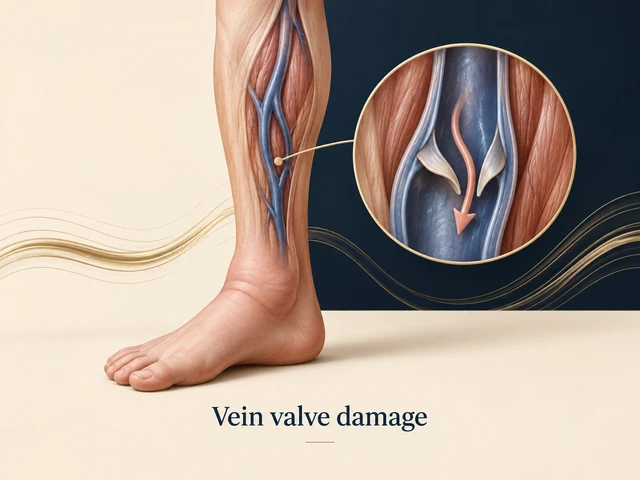
Post-phlebitic syndrome happens when veins in your legs are damaged, often after blood clots, causing poor circulation and fluid buildup. The VA rates this condition from 0% to 100% based on how severe your symptoms are - mainly looking at swelling (edema), skin changes, pain, and whether you have open sores (ulcers). Higher ratings go to veterans with constant swelling, skin discoloration, and ulcers that won't heal, while lower ratings cover intermittent swelling and leg fatigue.
Rating levels
100% — You would have severe, rock-hard swelling (massive board-like edema) in your legs that doesn't go away, along with constant pain even when you're resting and not moving around. The swelling is so rigid it feels like a wooden board, and the pain never stops - it's there whether you're sitting, lying down, or just relaxing.
60% — You qualify for this rating if you have chronic swelling that won't go away or areas where the tissue under your skin has become thick and hard (subcutaneous induration), along with skin discoloration or skin irritation/rash (stasis pigmentation or eczema) caused by poor blood flow, and you have sores or wounds that keep coming back or won't heal (persistent ulceration). All of these symptoms must be clearly caused by problems with your veins not working properly.
40% — To qualify for this rating level, you must have ongoing swelling in your legs or feet that doesn't go away (persistent edema) and skin changes caused by poor blood circulation - either brownish discoloration of the skin (stasis pigmentation) or a type of skin rash (eczema). You may also have sores that come and go on your legs or feet (intermittent ulceration), but these recurring sores aren't required if you have the swelling and skin changes.
20% — Your legs or affected limbs have ongoing swelling (edema) that doesn't completely go away even when you prop them up or elevate them. You may also be starting to develop brownish discoloration of the skin (stasis pigmentation) or itchy, inflamed skin patches (eczema) in the affected areas, and these symptoms must be clearly caused by problems with your veins not working properly.
10% — You qualify for this rating if you have swelling in the limb that comes and goes, or aching and tiredness in your leg after you have been standing or walking for a long time. The symptoms must get better when you raise the limb or wear compression stockings (tight socks or sleeves that squeeze the leg to help blood flow).
0% — You qualify for this rating if you have visible or feelable varicose veins (swollen, twisted veins that you can see under the skin or feel as bumps) that are caused by venous disease (problems with blood flow in your veins), but these veins don't cause you any symptoms like pain, swelling, or discomfort. The varicose veins are there, but they're not bothering you or affecting your daily activities.
Disclaimer: This tool is for informational purposes only and is not legal or medical advice. Always consult with your VSO representative or a qualified veterans benefits attorney for guidance on your specific claim.