VA Disability Rating for Paralysis of lower radicular group (DC 8512)
Body system: Neurological Conditions and Convulsive DisordersRegulation: 38 CFR § 4.124aDBQ: DBQ NEURO Peripheral Nerves
DC 8512, paralysis of lower radicular group, is rated by the level below that matches your condition; the dominant (major) arm is rated higher than the non-dominant (minor) arm at the upper levels. The levels: Complete; all intrinsic muscles of hand, and some or all of flexors of wrist and fingers, paralyzed (substantial loss of use of hand): 70% for the dominant arm, 60% for the non-dominant arm. Incomplete, severe: 50% for the dominant arm, 40% for the non-dominant arm. Incomplete, moderate: 40% for the dominant arm, 30% for the non-dominant arm. Incomplete, mild: 20% for either arm.
Rating levels
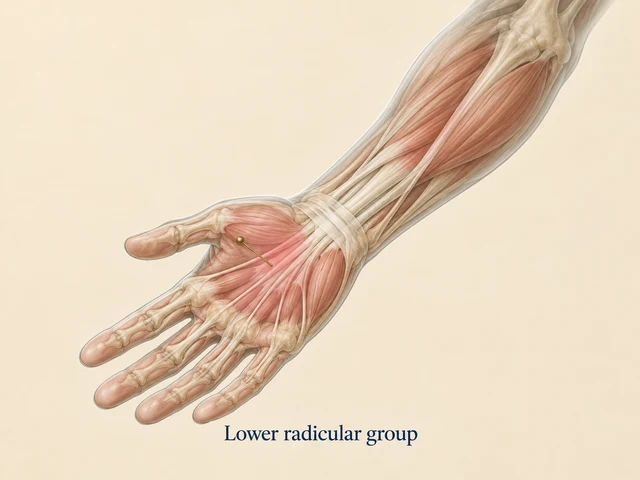
70% — Complete paralysis affects all the small muscles inside your hand (intrinsic muscles) that control fine finger movements, plus some or all of the muscles that bend your wrist and curl your fingers into a fist (flexors). This results in substantial loss of use of your hand, meaning you can't perform most normal hand functions like gripping, grasping, or making precise finger movements.
60% — Complete paralysis affects all the small muscles inside your hand (intrinsic muscles) that control fine finger movements, plus some or all of the muscles that bend your wrist and fingers (flexors). This results in substantial loss of your ability to use that hand for normal activities like gripping, grasping, or precise finger movements.
50% — You have severe but not complete paralysis of the lower radicular group (the nerve roots that control the small muscles of the hand and the muscles that bend the wrist and fingers). You have major weakness and loss of function in the hand, wrist, and fingers, but some movement or feeling remains.
40% — You have severe but not complete paralysis of the lower radicular group (the nerves that control muscles in your lower arm, wrist, and hand). This means you have significant weakness and loss of function in these areas, but you still retain some muscle movement and feeling, unlike complete paralysis where there would be no movement or sensation at all.
40% — You have moderate, incomplete paralysis of the lower radicular group (the nerve roots that control the small muscles of the hand and the muscles that bend the wrist and fingers). You have noticeable weakness and loss of function in the hand, wrist, and fingers, but you keep useful movement.
30% — You have moderate, incomplete paralysis of the lower radicular group (the nerve roots that control the small muscles of the hand and the muscles that bend the wrist and fingers). You have noticeable weakness and loss of function in the hand, wrist, and fingers, but you keep useful movement.
20% — You have mild, partial paralysis affecting the lower radicular group (the nerves that control muscles in your forearm and hand, specifically those that help you bend your wrist and fingers). The paralysis is incomplete, meaning you still have some muscle function and movement, but it's noticeably weakened or impaired compared to normal.
20% — You have mild, partial paralysis affecting the lower radicular group (the nerves that control muscles in your forearm and hand, specifically those that help you bend your wrist and fingers). The paralysis is incomplete, meaning you still have some muscle function and movement, but it's noticeably weakened or impaired compared to normal.
Disclaimer: This tool is for informational purposes only and is not legal or medical advice. Always consult with your VSO representative or a qualified veterans benefits attorney for guidance on your specific claim.