VA Disability Rating for Hiatal hernia and paraesophageal hernia (DC 7346)
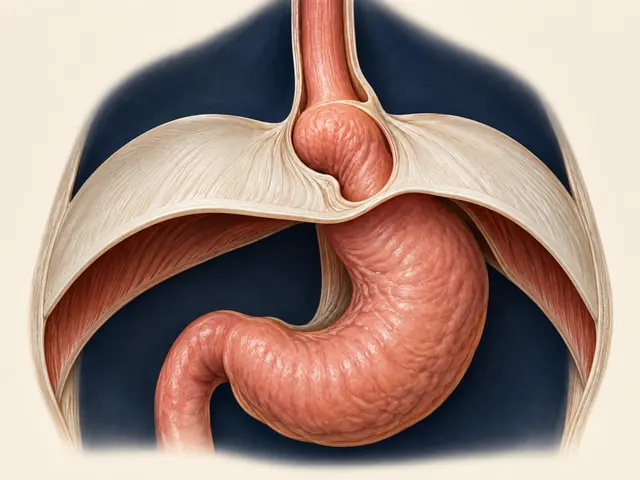
Hiatal hernia occurs when the upper part of the stomach pushes upward through the diaphragm into the chest cavity through the esophageal hiatus. A paraesophageal hernia is a more severe form where stomach tissue rolls up alongside the esophagus and can become incarcerated. Both produce reflux, regurgitation, heartburn, dysphagia, and chest discomfort. The VA does not maintain a separate rating ladder for these conditions. Instead, 38 CFR § 4.114 directs raters to evaluate them using the criteria for esophageal stricture (DC 7203), based on documented dysphagia, the need for dilation procedures, daily medication use, and complications such as aspiration.
Explore Hiatal Hernia Resources
Pick a group to see its pages. Everything here is a link to another page on this site.
Start Here (1 page)
Ratings and C&P Exams (2 pages)
Claimed Secondary to Something Else (1 page)
What Veterans Claim Alongside It (4 pages)
Evidence and Proof (3 pages)
Disclaimer: This tool is for informational purposes only and is not legal or medical advice. Always consult with your VSO representative or a qualified veterans benefits attorney for guidance on your specific claim.