Official records and exposure research
Shipboard Exposure & Records
Find official ship records, explore shipboard exposure topics, and search published Board decisions. The VA’s Vietnam-era herbicide report covers a specific list; it is not a complete inventory of vessels or hazards.
Official records first. Individual exposure is a separate question.
 The historical record
01 / Records
Find official ship records
Deck logs, operations reports and the office that holds them.
Find records
The historical record
01 / Records
Find official ship records
Deck logs, operations reports and the office that holds them.
Find records
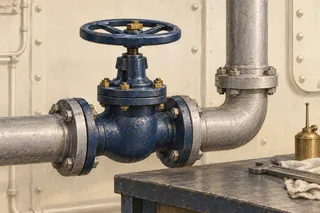 The work environment
02 / Exposures
Look beyond Agent Orange
Read about shipboard work, substances and exposure rules.
Browse topics
The work environment
02 / Exposures
Look beyond Agent Orange
Read about shipboard work, substances and exposure rules.
Browse topics
 The published decisions
03 / Board research
Search the Board record
Look for decisions that name the ship you entered.
Search decisions
The published decisions
03 / Board research
Search the Board record
Look for decisions that name the ship you entered.
Search decisions
01 / Find the original record
The year matters. So does the kind of vessel.
Choose the records you are researching. This identifies a records source, not eligibility for a VA benefit.
National Archives, Washington, DC
Start with NARA's early Navy logbook holdings and catalog links.
Find early logsNational Archives, College Park
Search available digitized logs or check the holdings for the ship and year.
Read NARA guidanceNARA or Naval History and Heritage Command
Unclassified logs: NARA. Classified logs: NHHC. Check the record type before sending a request.
Check the splitNaval History and Heritage Command
NHHC directs general-public deck-log requests through its FOIA process. Name the ship, hull number and specific dates.
Read NHHC instructionsCoast Guard and Revenue Cutter logs
Do not use the Navy year table for Coast Guard vessels. NARA's guide explains these separate holdings and research locations. Match the vessel and years, then confirm the custodian.
Read the records guideMilitary transport and sealift logs
NARA describes Military Sea Transportation Service and Military Sealift Command log holdings for 1946 to 1981. These are separate from commissioned Navy deck logs. For later records, confirm current custody before requesting.
Read the records guideNot every record is online. A missing search result is not proof that the record does not exist.
Words you can useA ship-records request example
Copy this general example and fill the brackets yourself. It requests records, not a VA disability decision or a medical opinion.
Use the receiving office identified above. NARA and NHHC have different request procedures. The example does not replace an office's required form or instructions.
02 / Put the work in context
The ship's name is only one part of the story.
These are general research topics. Their appearance here does not establish that a hazard was present aboard any particular vessel.
Other research: TCE and degreasing solvents Diesel exhaust Project 112/SHAD
03 / Search published decisions
What has the Board said about this ship?
The Board record may name a vessel even when VA's herbicide report does not. Search the name or hull you entered, then check the dates, duties and evidence in each decision.
A mention is not verified exposure. A decision about another veteran does not decide your case.
Keep the evidence separate
Three different questions. Three kinds of records.
What happened?
Deck logs, operations reports and releasable incident or maintenance records.
Where were you?
Assignments, orders, evaluations and firsthand accounts of duties or events.
What is the medical link?
Medical records and condition-specific evidence connecting a disability to service.
Records worth identifying before you request
- Ship identity: full name, hull number and any name or designation changes.
- Your service: aboard dates, rating, division and work center.
- The event: approximate dates, location, incident or routine activity.
- Other documents: personnel records, evaluations, overhaul records, industrial-hygiene reports and firsthand witness statements, where available.
Availability and release rules vary by record type. An official incident investigation may be held by a different office from the deck logs.
Health screening is not proof of exposure
VA's toxic-exposure screening records self-reported concerns and connects veterans with care resources. It does not provide legal or medical verification of exposure and it does not determine disability compensation.
For asbestos claims, VA says it normally requests a medical examination and opinion. A private paid nexus letter is not a universal prerequisite. Read VA evidence guidance.
The original report still has a role
For Vietnam-era service, the list is not the whole rule.
The offshore herbicide presumption addresses qualifying vessel service not more than 12 nautical miles seaward of the statutory Vietnam and Cambodia demarcation line between January 9, 1962 and May 7, 1975 (38 U.S.C. 1116A). It does not depend on a ship appearing in the 2019 report. Location, dates and the applicable condition requirements still matter.
This is not a general presumption for every shipboard substance or later period of service. Read the statute. Read VA eligibility guidance.
Same name does not mean the same vessel. VA's 2019 report lists USS Tripoli as LPH-10; the Navy's current USS Tripoli is LHA-7, a different ship. Compare the hull number and the documented service dates before treating any report entry as a record of your vessel.
Related Tools and Guides
Agent Orange Ships Directory
Search all 403 vessels on VA's July 1, 2019 herbicide ships list.
Military Records Guide
Find the records office and the request route for your file.
Toxic Exposure Guide
Every exposure pathway the VA recognizes, in plain English.
Find Accredited Help
Accredited help for an individual benefits question, always free.