RateMyVSO / Condition library
VA Disability Conditions and Ratings
Browse plain-English claims guides for the most-claimed conditions, grouped by body system, or jump straight to the rating criteria for any of the 725 VA diagnostic codes. Each guide covers how the condition is rated, the evidence that wins, common secondary conditions, and what Board appeal decisions show.
59 guides · 13 body systems
Illustrations identify guide topics; they do not depict a specific diagnosis.
No matching guides here.
Try a shorter condition name or clear your filters.
Search all diagnostic codesMental health
1 guide
Digestive
10 guides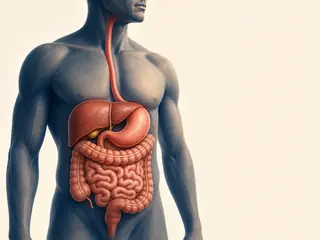
Guide
Digestive Conditions Guide
Stomach, intestine, and liver conditions overview.Open guide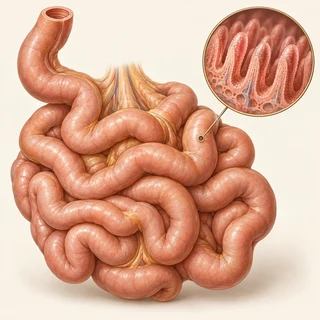
Guide
Celiac Disease
DC 7355 since May 2024; diet, malabsorption, and secondaries.Open guide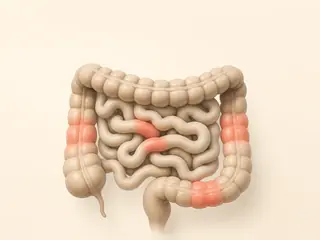
Guide
Crohn's Disease
DC 7326 inflammatory-bowel criteria and extraintestinal secondaries.Open guide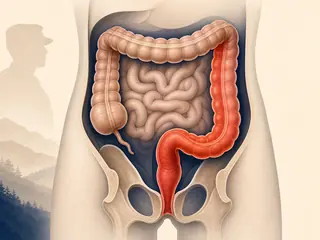
Guide
Ulcerative Colitis
Rated as inflammatory bowel disease since May 2024: treatment response, hospital stays and daily symptoms.Open guide
Guide
IBS & IBD
Irritable bowel and inflammatory bowel disease, side by side.Open guide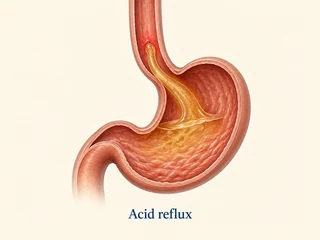
Guide
GERD
Acid reflux rated by analogy, often secondary to other conditions.Open guide
Guide
Peptic Ulcer
Gastric and duodenal ulcers rated on severity and recurrence.Open guide
Guide
Hernia
Inguinal, ventral, and other hernias rated on repair and recurrence.Open guide
Guide
Hemorrhoids
Internal and external hemorrhoids rated on severity.Open guide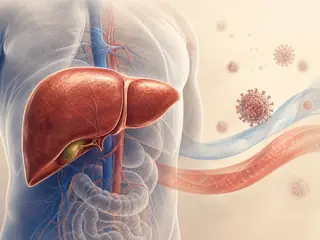
Guide
Hepatitis C
Liver disease rated on symptoms, fatigue, and flare-ups.Open guideMusculoskeletal
10 guides
Guide
Musculoskeletal Rating Guide
How joints, spine, and muscles are rated overall.Open guide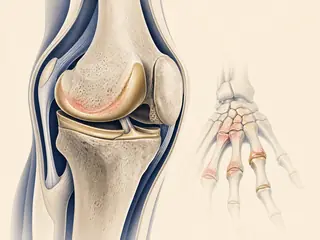
Guide
Arthritis
Degenerative and rheumatoid arthritis ratings.Open guide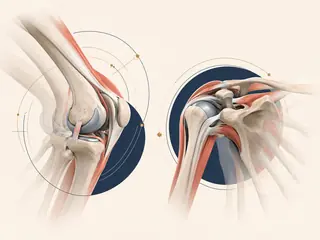
Guide
Joints & Painful Motion
Range of motion, DeLuca, and the painful-motion rule.Open guide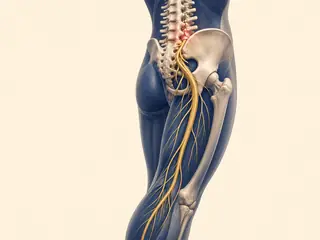
Guide
Sciatica & Radiculopathy
Nerve pain rated off the spine.Open guide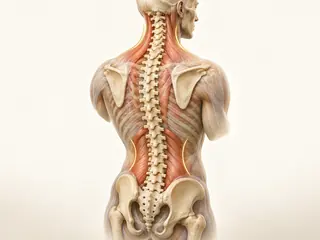
Guide
Lower Back (Lumbar Spine)
How the spine formula sets your back rating.Open guide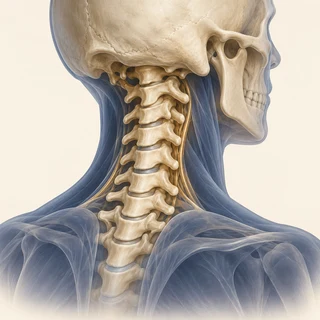
Guide
Neck (Cervical Spine)
Range-of-motion thresholds for the neck.Open guide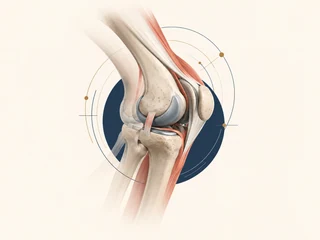
Guide
Knee Claims Guide
Instability, meniscus, and range-of-motion ratings for the knee.Open guide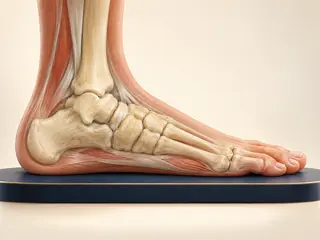
Guide
Flatfoot (Pes Planus)
Pes planus rated on severity, from mild to pronounced.Open guide
Guide
Foot Conditions
Plantar fasciitis, bunions, and other foot disabilities.Open guide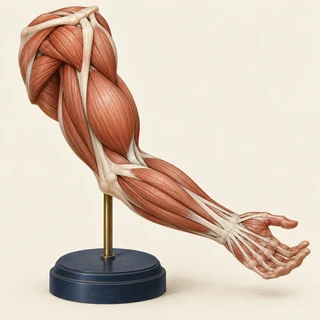
Guide
Muscle Injuries
Muscle group injuries rated by severity and muscle group.Open guideRespiratory
5 guides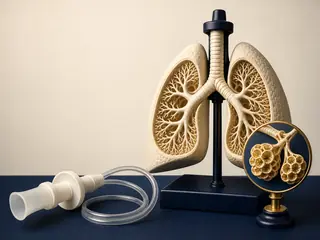
Guide
Respiratory Conditions Guide
Lungs and breathing conditions overview.Open guide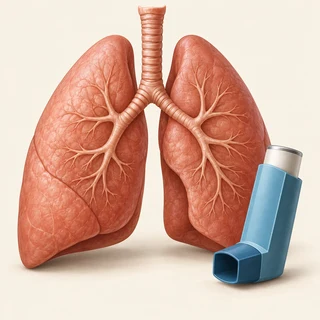
Guide
Asthma
PFT-based ratings and the medication rule.Open guide
Guide
Sleep Apnea
CPAP, ratings, and secondary links.Open guide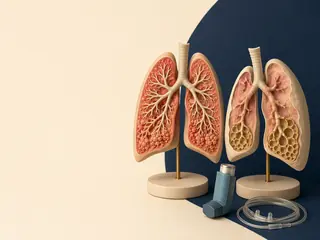
Guide
COPD
PFT-based ratings for chronic obstructive pulmonary disease.Open guide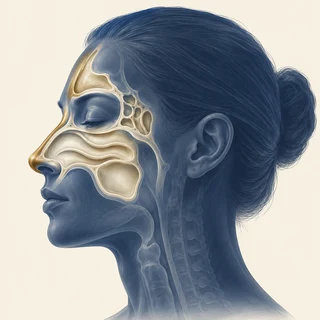
Guide
Sinusitis & Rhinitis
Incapacitating episodes, surgery, and nasal obstruction.Open guideHeart and blood pressure
4 guides
Guide
Cardiovascular Conditions Guide
Heart, vascular, and blood-pressure conditions overview.Open guide
Guide
Hypertension
Blood-pressure thresholds and the diastolic rule.Open guide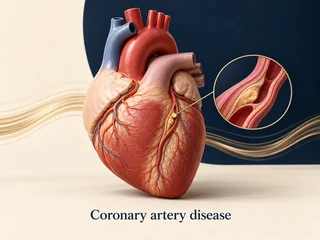
Guide
Coronary Artery Disease
Code 7005, METs testing, and ejection fraction.Open guide
Guide
Cold Injury / Frostbite
Residuals of cold exposure in the hands and feet.Open guideEndocrine
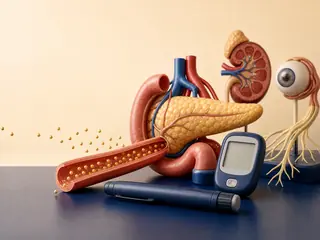
3 guides
Genitourinary
5 guides
Guide
Genitourinary Conditions Guide
Kidney, bladder, and reproductive conditions overview.Open guide
Guide
Erectile Dysfunction
Code 7522, SMC-K, and the secondary pathway.Open guide
Guide
Female Sexual Arousal Disorder (FSAD)
Code 7632, the SMC case-by-case review, and the PTSD/MST secondary path.Open guide
Guide
Urinary Conditions
Frequency, voiding dysfunction, and incontinence.Open guide
Guide
Gynecological Conditions
Female reproductive conditions and ratings.Open guideNeurological and sleep
8 guides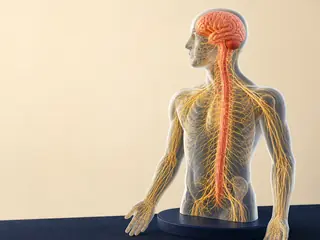
Guide
Neurological Conditions Guide
Nerve, brain, and seizure conditions overview.Open guide
Guide
Migraines
Prostrating attacks and code 8100.Open guide
Guide
Traumatic Brain Injury
Residuals of TBI and the 10 facets of cognition.Open guide
Guide
Restless Legs Syndrome
Rated by analogy; sleep and secondary links.Open guide
Guide
How TBI Is Rated
Walkthrough of the TBI rating table, facet by facet.Open guide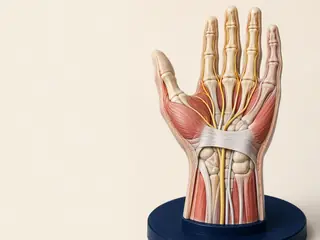
Guide
Carpal Tunnel
Median nerve entrapment rated as peripheral neuropathy.Open guide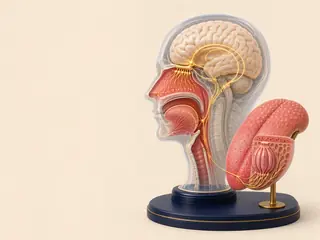
Guide
Smell & Taste Loss
Loss of smell or taste rated under the sensory codes.Open guide
Guide
Dementia Care
Ratings, aid and attendance, and fiduciary steps for cognitive decline.Open guideSkin
2 guides

Hearing and vision
4 guides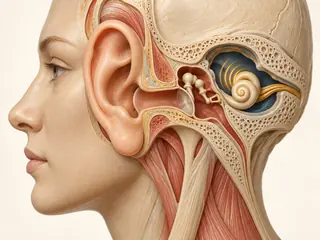
Guide
Hearing Loss & Tinnitus
The two most-claimed conditions, per VA's annual benefits report.Open guide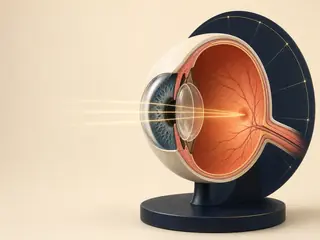
Guide
Eye Conditions
Visual acuity, field loss, and how eye ratings are set.Open guide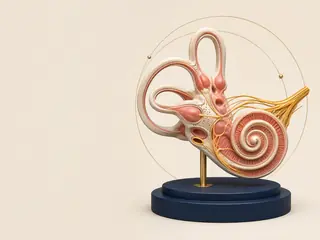
Guide
Vertigo & Meniere's
Dizziness and Meniere's: staggering, attack frequency and the either-or rule.Open guide
Guide
MOS Noise Exposure Lookup
Look up the noise exposure level for your military job.Open guideBlood and immune
2 guides
Dental and oral
1 guide
Cancer and toxic exposure
4 guides
Guide
Cancer
Active-treatment 100% rating, then a residuals rating.Open guide
Guide
Gulf War Illness
Undiagnosed illness and chronic multisymptom conditions.Open guide
Guide
Fibromyalgia
Widespread pain and Gulf War presumptions.Open guide
Guide
Toxic Exposure Hub
PACT Act presumptives, burn pits, Agent Orange, Camp Lejeune, and more.Open guideThis hub is for educational purposes only and is not medical or legal advice. Rating criteria come from 38 CFR Part 4. For help with your claim, find a VSO representative near you.
Common Questions
How does the VA rate disabilities?
VA assigns each service-connected condition a diagnostic code and a percentage from 0 to 100% using the Schedule for Rating Disabilities at 38 CFR Part 4. The percentage reflects how much the condition reduces your earning capacity. When you have more than one rated condition, VA does not add the percentages. It combines them using VA math, so two 50% ratings combine to 75, which rounds to 80%, not 100%.
Where is the list of VA disability codes?
The official list lives in the VA Schedule for Rating Disabilities at 38 CFR Part 4, with diagnostic codes running from 5000 to 9918. RateMyVSO indexes all 725 active diagnostic codes in plain English, each with rating criteria, C&P exam tips, secondary conditions, and Board appeal data.
Related Tools and Guides
How Claims Work
The full process from filing to decision.
Calculators and Tools
Estimate your combined rating and monthly pay.
Secondary Conditions
How one service-connected condition can establish another.
C&P Exam Guide
What to expect at your exam, by condition.
Claim File Readiness Check
Grade how complete your claim file is, 0 to 100, before you submit.
Compare Conditions
Side-by-side rating comparisons for conditions veterans often confuse.
Medication Side Effects
How prescribed medication can cause or worsen another disability, with Board outcomes separated from Section 1151 claims.