Occupational Exposures by Military Job Family
Start with the job you actually did. Look up its entry on the VA noise listing, or read the documented research behind other occupational exposures for that job family.
Research context. Not proof of your individual exposure, and not a list of conditions to claim.
Look up your military job
Type your military job code or job title. Noise level checks the VA Duty MOS Noise Exposure Listing (the official list C&P examiners use). Other exposures matches your job to the family cards on this page and their documented exposures.
A listing entry or a family match does not establish a diagnosis, individual exposure, or entitlement to benefits. Read the limits of this page ↓
Find your job family
Ten starting points into the published research. A job can belong to more than one.
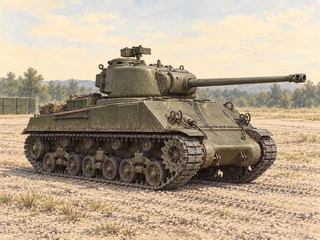
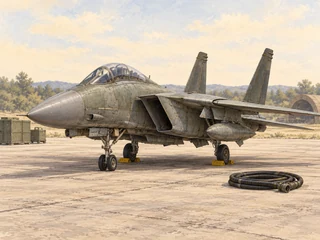
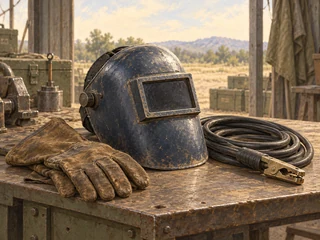
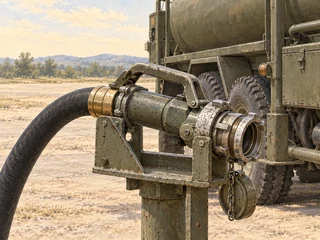
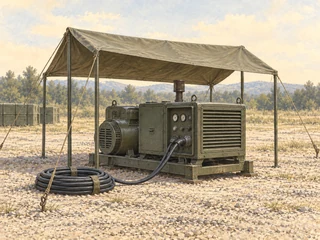
Illustrations are visual navigation. They are editorial drawings, not photographs, service records, official insignia, or evidence of a particular job, location, or exposure.
THE FULL REFERENCE
Research, sources and limitations
All ten job families, their documented exposures, the regulatory links, the limitations, and every source cited on this page.
Published research context on occupational exposures documented across ten broad military job families. Sources include the National Academies Gulf War and Health and Veterans and Agent Orange series, NIOSH hazard reviews, IARC carcinogen classifications, the DoD Millennium Cohort Study, and VA regulatory presumptions.
How to read this page
Each job family card lists three things:
- Representative MOS / rate / AFSC codes across branches, illustrative, not exhaustive. Codes change over time, always verify against a current DD-214.
- Documented occupational exposures, exposures described in the published authoritative literature cited in the Sources section below.
- Regulatory presumptions that may apply, links to VA regulations and on-site reference pages when a specific CFR section recognizes the exposure (e.g., radiation §3.309(d), Gulf War §3.317, Camp Lejeune §3.309(f), PACT Act).
A regulatory presumption applies only when its specific conditions are met (service era, location, activity, manifestation period). Presence in a job family is not by itself enough.
Combat Arms, Infantry, Cavalry, Armor
Infantry, Cavalry Scout, Armor / Tank Crewman
Documented occupational exposures
- Small-arms and crew-served weapon noise. Multiple combat arms MOSs are classified Highly Probable for hazardous noise exposure under VBA Fast Letter 10-35.
- Small-arms lead aerosols (firing ranges, indoor/outdoor). NIOSH Alert: Preventing Occupational Exposures to Lead and Noise at Indoor Firing Ranges (2009).
- Diesel particulate and vehicle emissions (armored vehicle operation). IARC Monograph Vol. 105, Diesel Engine Exhaust classified Group 1 carcinogen (2012).
- JP-8 jet fuel (when operating near aviation assets or in joint operations). NAS/IOM, Toxicologic Assessment of Jet-Propulsion Fuel 8 (2003).
- Burn pits and airborne hazards (Southwest Asia / Afghanistan post-9/11). PACT Act of 2022; VA Airborne Hazards and Open Burn Pit Registry; NAS, Long-Term Health Consequences of Exposure to Burn Pits in Iraq and Afghanistan (2011).
- Blast overpressure / mild TBI (from explosive ordnance, IEDs, heavy weapons firing). NAS, Gulf War and Health Vol. 9: Long-Term Effects of Blast Exposures (2014).
- Antimalarial medications (Mefloquine/Lariam where deployed to affected regions). FDA Boxed Warning for Mefloquine (2013); VA/DoD mefloquine review.
Regulatory presumptions that may apply
Artillery / Mortar
Field Artillery, Mortar, Air Defense Artillery

Documented occupational exposures
- Severe impulse noise from cannon, howitzer, and mortar firing (multiple artillery MOSs are Highly Probable under FL 10-35). VBA Fast Letter 10-35 (2010); DoD Hearing Center of Excellence reports.
- Blast overpressure repeatedly over a career. NAS, Gulf War and Health Vol. 9: Long-Term Effects of Blast Exposures (2014).
- Propellant residues including perchlorate (Rocket/MLRS propellants) and lead/antimony (primer compounds). NRC/NAS, Health Implications of Perchlorate Ingestion (2005); CDC lead surveillance.
- Diesel particulate from prime movers and tactical vehicles. IARC Monograph Vol. 105 (2012).
Regulatory presumptions that may apply
Aviation, Aircrew
Pilots, Flight Engineers, Loadmasters, Aerial Gunners, Sensor Operators
Documented occupational exposures
- Jet propulsion fuels JP-8 / JP-5 / JP-4, benzene and aromatic hydrocarbons content. JP-8 is the most widely reviewed. NAS/IOM, Toxicologic Assessment of Jet-Propulsion Fuel 8 (2003).
- Tetraethyl lead in aviation gasoline (100LL) for piston aircraft. EPA aviation fuel lead emissions inventory; ATSDR Toxicological Profile for Lead.
- Hydraulic fluid (MIL-PRF-83282, Skydrol) dermal and inhalation exposures. NIOSH pocket guides; AF Safety Center reviews.
- Bleed-air / cabin-air contamination events (engine oil and hydraulic fluid combustion byproducts). National Academies, Aircraft Cabin Air Quality (2021).
- Aviation noise (rotary-wing sustained exposure especially). VBA Fast Letter 10-35 (2010); DoD Hearing Center of Excellence.
- Hypoxia and cosmic radiation on high-altitude routes (for relevant platforms). FAA Civil Aerospace Medical Institute reports; National Council on Radiation Protection Report 160.
Regulatory presumptions that may apply
Aviation Maintenance
Aircraft Mechanics, Avionics, Airframe / Powerplant

Documented occupational exposures
- Jet fuel (JP-8/JP-5) exposure during fueling, defueling, maintenance. NAS/IOM, JP-8 Review (2003); AFHSC surveillance.
- Hexavalent chromium from aircraft-skin primers and corrosion control (grinding, sanding, painting). NAS, Review of DoD's Approach to Hexavalent Chromium (2008); OSHA 29 CFR 1910.1026.
- Industrial solvents including MEK, toluene, methylene chloride (paint stripping, parts cleaning). ATSDR Toxicological Profiles; IARC evaluations.
- Isocyanates in polyurethane aircraft paints. NIOSH Alert: Preventing Asthma and Death from Diisocyanate Exposure (1996).
- Hydraulic fluid dermal and inhalation exposure (especially during system maintenance).
- Aviation noise (flight line, run-up areas, engine test cells). VBA Fast Letter 10-35 (2010).
- Asbestos in legacy aircraft brake linings and gaskets. IARC Monograph Vol. 100C: Asbestos (2012).
Regulatory presumptions that may apply
Engineering / Construction / EOD
Combat Engineers, Construction Trades, Explosive Ordnance Disposal
Documented occupational exposures
- Asbestos in building demolition, renovation of legacy structures and ships. IARC Monograph Vol. 100C (2012); NAS, Asbestos: Selected Cancers (2006).
- Lead-based paint during demolition and sanding of pre-1978 structures. EPA Renovation, Repair and Painting Rule; ATSDR Toxicological Profile for Lead.
- Crystalline silica dust from concrete and masonry work. IARC Monograph Vol. 100C: Crystalline Silica (2012); NIOSH Hazard Review on Silica.
- Chlorinated solvents (TCE, PCE) in parts cleaning, degreasing, and (for Camp Lejeune-stationed personnel) the contaminated water supply. VA Camp Lejeune Presumption 38 CFR §3.309(f); EPA TCE Assessment (2011); NAS, Review of VA Clinical Guidance for the Health Conditions Identified by the Camp Lejeune Legislation (2015).
- Diesel particulate from heavy equipment. IARC Monograph Vol. 105 (2012).
- Explosive residues and post-blast airborne hazards (EOD, demolitions).
- Depleted uranium handling (EOD and vehicle recovery from penetrator incidents). NAS, Gulf War and Health Vol. 7: Long-Term Consequences of Exposure to Depleted Uranium (2008).
- Burn pits and airborne hazards (Southwest Asia / Afghanistan post-9/11). PACT Act (2022); VA Airborne Hazards Registry.
Regulatory presumptions that may apply
Fuel / POL Handlers
Petroleum Supply, Petroleum Laboratory, Aviation Fuels Distribution
Documented occupational exposures
- Benzene (component of fuels; IARC Group 1 human carcinogen; linked to acute myeloid leukemia and related hematologic cancers). IARC Monograph Vol. 120: Benzene (2018); NIOSH Pocket Guide, Benzene.
- JP-8 jet fuel, diesel (DF-2), leaded gasoline (historical), unleaded gasoline (current). NAS/IOM JP-8 Review (2003); IARC Gasoline evaluations; NIOSH JP-8 occupational exposure reviews.
- Fuel vapors in confined spaces (truck tanks, ship compartments, storage installations).
- Fuel additives including anti-icing and anti-static agents.
- Diesel particulate from generators, pumps, vehicles. IARC Monograph Vol. 105 (2012).
- Hearing exposure from pumps and flight-line operations. VBA Fast Letter 10-35 (2010).
Regulatory presumptions that may apply
Vehicle Maintenance / Transportation
Wheeled- and Tracked-Vehicle Mechanics, Transport Drivers

Documented occupational exposures
- Diesel engine exhaust (IARC Group 1 carcinogen). IARC Monograph Vol. 105 (2012).
- Industrial solvents including TCE, PCE, carburetor cleaners, brake cleaners. EPA TCE Assessment (2011); ATSDR profiles; VA Camp Lejeune Presumption 38 CFR §3.309(f).
- Hydraulic fluid and transmission fluid dermal/inhalation exposure.
- Lead and sulfuric acid from battery maintenance. OSHA 29 CFR 1910.1025 (Lead Standard); ATSDR Lead profile.
- Welding fume (IARC Group 1, welding fumes classified 2017). IARC Monograph Vol. 118: Welding, Molybdenum Trioxide, and Indium Tin Oxide (2018).
- Asbestos in legacy brake and clutch linings. IARC Monograph Vol. 100C (2012).
- Shop and vehicle noise (multiple maintenance MOSs are classified Moderate under FL 10-35). VBA Fast Letter 10-35 (2010).
Regulatory presumptions that may apply
Firefighting (Crash / Structural)
Aircraft Rescue Firefighters, Structural Firefighters, Damage Control
Documented occupational exposures
- PFAS (per- and polyfluoroalkyl substances) from Aqueous Film Forming Foam (AFFF) used in aircraft fire suppression. NAS, Guidance on PFAS Exposure, Testing, and Clinical Follow-Up (2022); CDC/ATSDR PFAS Toxicological Profile; DoD AFFF Phase-Out Actions.
- Combustion byproducts including polycyclic aromatic hydrocarbons (PAHs), benzene, formaldehyde, hydrogen cyanide, particulate matter. IARC Monograph Vol. 98: Firefighting (2010); IARC Monograph Vol. 132: Occupational Exposure as a Firefighter (2023, Group 1).
- Asbestos in legacy ship and building fires (historical). IARC Monograph Vol. 100C (2012).
- Heat stress and smoke inhalation (acute and cumulative).
- Diesel exhaust from fire apparatus. IARC Monograph Vol. 105 (2012).
Regulatory presumptions that may apply
Shipboard Engineering / Machinist's Mate
Machinist's Mate, Hull Technician, Engineman, Boiler Technician

Documented occupational exposures
- Asbestos in boiler rooms, piping insulation, pump packing, gaskets, turbine and engine lagging, extensive in ships built before approximately 1980. NAS, Asbestos: Selected Cancers (2006); IARC Monograph Vol. 100C (2012); Navy Occupational Safety and Health (NAVOSH) asbestos guidance.
- Heavy fuel oil F-76, JP-5 (on carriers and amphibs), lubricating oils.
- Shipboard noise (engineering spaces classified Highly Probable under FL 10-35). VBA Fast Letter 10-35 (2010).
- Industrial solvents used in parts cleaning (TCE, PCE, MEK historically). ATSDR Toxicological Profiles.
- CFC and HCFC refrigerants (R-12, R-22) from shipboard refrigeration and A/C.
- Hexavalent chromium in paint and corrosion-control work. NAS, Hexavalent Chromium Review (2008).
- Confined-space atmospheric hazards (tank entry, voids).
Regulatory presumptions that may apply
Medical / Dental
Combat Medics, Corpsmen, Nurses, Lab, Dental, Radiology
Documented occupational exposures
- Bloodborne pathogens (HIV, HBV, HCV) from needlestick and splash exposures. OSHA Bloodborne Pathogens Standard 29 CFR 1910.1030.
- Ionizing radiation from diagnostic X-ray, fluoroscopy, CT, nuclear medicine. National Council on Radiation Protection (NCRP) Report 160; NAS, BEIR VII Report on Low-Dose Ionizing Radiation (2006).
- Anesthetic waste gases (nitrous oxide, halogenated agents) in surgery. NIOSH Criteria Document: Occupational Exposure to Waste Anesthetic Gases.
- Antineoplastic / cytotoxic drugs (oncology and pharmacy). NIOSH List of Hazardous Drugs in Healthcare Settings (updated periodically); USP 800.
- Tuberculosis occupational exposure (especially deployed settings). CDC Guidelines for Preventing Transmission of Mycobacterium tuberculosis in Health-Care Settings.
- Formaldehyde in histology/pathology labs. IARC Monograph Vol. 100F (Formaldehyde, Group 1, 2012); OSHA 29 CFR 1910.1048.
- Dental amalgam mercury for dental personnel (particularly in high-volume amalgam eras). ATSDR Toxicological Profile for Mercury; FDA amalgam safety reviews.
- Ergonomic hazards (patient handling, repetitive tasks).
Regulatory presumptions that may apply
Limitations of this page
- This page covers broad job families, not every MOS / AFSC / rate. Many specialties are not individually profiled here.
- Exposure presence in a job family does not imply exposure for a specific veteran, nor does it establish service connection without the additional statutory and evidentiary requirements.
- Citations in this page point to authoritative umbrella sources (National Academies, NIOSH, IARC, ATSDR, VA/DoD publications). Primary peer-reviewed cohort studies exist for many of these exposures but are not individually cited here.
- Regulatory presumptions listed under each family apply only when their own specific conditions are met. Read the linked reference page for each presumption to check.
- Regulations are amended and updated. Always verify current text via the eCFR for 38 CFR Part 3 presumptive rules.
Sources cited on this page
National Academies (formerly Institute of Medicine) reports
- Gulf War and Health series (Volumes 1–11, 2000–2022), reviews of health effects of deployment-related exposures including pesticides, vaccines, depleted uranium, blast, and long-term follow-up.
- Veterans and Agent Orange updates (biennial, 1994–2018).
- Toxicologic Assessment of Jet-Propulsion Fuel 8 (2003).
- Review of DoD's Approach to Deriving an Occupational Exposure Level for Hexavalent Chromium (2008).
- Asbestos: Selected Cancers (2006).
- Health Implications of Perchlorate Ingestion (NRC, 2005).
- Long-Term Health Consequences of Exposure to Burn Pits in Iraq and Afghanistan (2011).
- Review of VA Clinical Guidance for the Health Conditions Identified by the Camp Lejeune Legislation (2015).
- Aircraft Cabin Air Quality (2021).
- Guidance on PFAS Exposure, Testing, and Clinical Follow-Up (2022).
- BEIR VII: Health Risks from Exposure to Low Levels of Ionizing Radiation (NRC, 2006).
NIOSH and OSHA
- NIOSH Alert: Preventing Occupational Exposures to Lead and Noise at Indoor Firing Ranges (2009).
- NIOSH Alert: Preventing Asthma and Death from Diisocyanate Exposure (1996).
- NIOSH List of Hazardous Drugs in Healthcare Settings (updated periodically).
- NIOSH Pocket Guide to Chemical Hazards (JP-8, benzene, TCE, PCE entries).
- OSHA Bloodborne Pathogens Standard (29 CFR 1910.1030); Lead Standard (29 CFR 1910.1025); Hexavalent Chromium Standard (29 CFR 1910.1026); Formaldehyde Standard (29 CFR 1910.1048).
IARC Monographs on the Evaluation of Carcinogenic Risks to Humans
- Vol. 98, Painting, Firefighting, and Shiftwork (2010).
- Vol. 100C, Arsenic, Metals, Fibres, and Dusts (Asbestos, Crystalline Silica) (2012).
- Vol. 100F, Chemical Agents and Related Occupations (Formaldehyde) (2012).
- Vol. 105, Diesel and Gasoline Engine Exhausts and Some Nitroarenes (2012).
- Vol. 118, Welding, Molybdenum Trioxide, and Indium Tin Oxide (2018).
- Vol. 120, Benzene (2018).
- Vol. 132, Occupational Exposure as a Firefighter (2023, classified Group 1).
VA / DoD publications
- VBA Fast Letter 10-35 (2010), Duty MOS Noise Exposure Listing (on-site reference: DC 6260 MOS noise section).
- 38 CFR Part 3 presumptive provisions: §3.307(a)(6) (herbicides), §3.309(a) (chronic diseases), §3.309(d) (radiation-exposed veterans), §3.309(e) (herbicide presumptives), §3.309(f) (Camp Lejeune contaminants), §3.311 (radiogenic dose-based), §3.317 (Persian Gulf).
- Honoring Our PACT Act of 2022 (Pub. L. 117-168).
- VA Airborne Hazards and Open Burn Pit Registry.
- DoD Millennium Cohort Study (ongoing since 2001; peer-reviewed publications).
- Defense Health Agency / Armed Forces Health Surveillance Center surveillance reports.
- DoD Hearing Center of Excellence.
ATSDR and EPA
- ATSDR Toxicological Profiles (Lead, Mercury, TCE, PCE, Benzene, PFAS, others).
- EPA TCE Toxicity Assessment (2011); Aviation Fuel Lead Emissions Inventory.
Scope and limitations (repeat)
Research context, not a claim roadmap. This page documents what the published scientific and regulatory literature recognizes as occupational exposures for broad military job families. It does not curate "conditions you should claim" or "conditions linked to your MOS."
Presence of an exposure does not establish service connection. Service connection requires a current diagnosis, evidence of in-service exposure for the specific veteran, and (unless a specific regulatory presumption applies) a medical nexus.
Regulatory presumptions apply only when their specific conditions are met. Read each linked reference page for the applicable CFR section's own requirements.
Not legal advice. For case-specific guidance, find an accredited VSO representative.
Related Tools and Guides
Keep the research connected to your own record
Your duties, dates, places of service, and supporting records are what decide a claim. Use these pages as research, not as a list of conditions to claim.
Want to see how the Board has ruled on claims like yours? Try BVA Search, search published Board decisions by condition, exposure, or your own words.