Aid and Attendance and Housebound Pension: The Needs-Based Increase
How a wartime veteran's VA pension goes up when they need help with daily care or are confined to home, and why this is not the same as SMC aid and attendance.
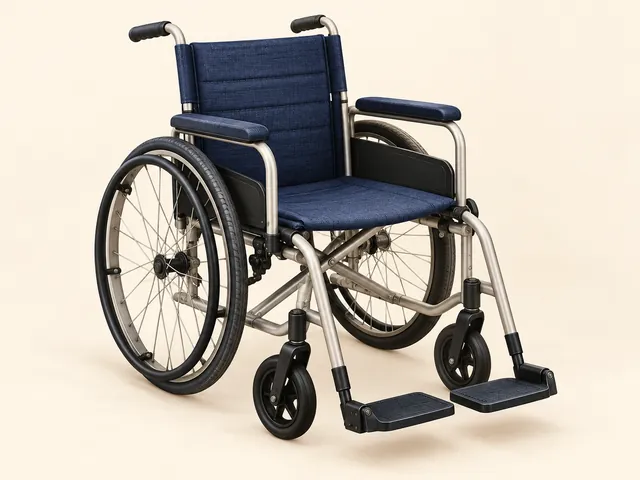
Aid and Attendance and Housebound are not standalone programs. They are increases to the VA Pension, the needs-based benefit for low-income wartime veterans and their survivors. If you already qualify for that pension and you need help with daily living, or you are confined to your home, your pension rate goes up. This page explains who qualifies for the increase, the 2026 amounts, and the one distinction that confuses almost everyone: this is not the same as SMC aid and attendance.
There are two different VA "aid and attendance" benefits. Pension A&A is needs-based, it goes to low-income wartime veterans and does not require the disability to be service-connected. SMC A&A is compensation, it goes to veterans whose service-connected conditions create the need, and it has no income limit. This page is about the pension version. For the compensation version, see SMC-L Aid and Attendance.
Pension A&A versus SMC A&A
Both are called "aid and attendance," but they sit in two different parts of the VA system. Mixing them up sends people to the wrong application and the wrong expectations.
Pension Aid & Attendance
- What it is: an increase to the needs-based VA Pension.
- Income: yes, there is an income and net-worth limit. The pension is for low-income veterans.
- Service connection: not required. The care need can come from any disability or from age.
- Who: wartime veterans and their survivors who meet the pension rules.
- Covered on: this page, and the pension guide.
SMC Aid & Attendance
- What it is: Special Monthly Compensation, a higher compensation rate.
- Income: none. Compensation is not income-based.
- Service connection: required. The need has to flow from service-connected conditions.
- Who: veterans rated for service-connected conditions that create the care need.
- Covered on: SMC-L Aid and Attendance and the SMC overview.
Who qualifies for the increase
First you have to qualify for the base VA Pension: wartime service, age 65 or a permanent and total disability, countable income below the limit, and net worth under the cap. The full base rules and the payment math are in the pension guide. On top of that base, the care need decides whether you get the Housebound increase or the larger Aid and Attendance increase.
Aid and Attendance, the larger increase
You may qualify for the Aid and Attendance increase if at least one of these is true (VA, 2026):
- You need help from another person with everyday activities such as bathing, dressing, eating, or using the bathroom.
- You are bedridden, apart from prescribed bed rest for treatment.
- You are a patient in a nursing home because of physical or mental incapacity.
- Your eyesight is limited to 5/200 visual acuity or less in both eyes, even with glasses, or a concentric field of 5 degrees or less.
Housebound, the smaller increase
You may qualify for the Housebound increase if you are substantially confined to your home or its immediate premises because of a permanent disability (VA, 2026). It pays less than Aid and Attendance but is often easier to show.
2026 amounts
The increase is built into the Maximum Annual Pension Rate (MAPR). VA pays the gap between your MAPR and your countable annual income, so a higher MAPR means a larger possible pension, not a flat cash add-on. These rates are in effect December 1, 2025 through November 30, 2026 (VA, 2026).
| Veteran status | Base | Housebound | Aid & Attendance |
|---|---|---|---|
| Single, no dependents | $17,441 | $21,312 | $29,094 |
| With 1 dependent | $22,839 | $26,710 | $34,494 |
Add about $2,975 per additional dependent. Two married veterans who both need Aid and Attendance have a higher combined MAPR. Verify your exact figure on VA.gov (VA, 2026).
Survivors
A surviving spouse of a wartime veteran can qualify for the Survivors Pension, and for the same Aid and Attendance or Housebound increase, under the survivor income and net-worth rules. The 2026 survivor rates are lower than the veteran rates, the Aid and Attendance survivor MAPR is roughly $18,700 a year. Confirm the current survivor figures on the VA survivors-pension rates page (VA, 2026). Survivors who are also eligible for DIC usually take DIC instead, since DIC is not income-based and generally pays more.
How to apply
You request the increase as part of the pension application, with a medical form that documents the care need (VA, 2026):
- VA Form 21P-527EZ, Application for Veterans Pension, is the base pension application. You note the Aid and Attendance or Housebound request on it. Survivors use VA Form 21P-534EZ.
- VA Form 21-2680, Examination for Housebound Status or Permanent Need for Regular Aid and Attendance, is completed by your doctor and documents the care need. This is the form that proves the increase.
- VA Form 21-0779, Request for Nursing Home Information, is used when the veteran is in a nursing home.
Frequently asked questions
Is Aid and Attendance a separate check from my pension?
Does my disability have to be service-connected for pension Aid and Attendance?
Can I get both pension Aid and Attendance and SMC?
What is the difference between Housebound and Aid and Attendance?
Will giving away money help me qualify?
Related Tools and Guides
External references
- VA. Aid and Attendance benefits and Housebound allowance. va.gov/pension/aid-attendance-housebound
- VA. Current Veterans Pension rates. va.gov/pension/veterans-pension-rates
- VA. Current Survivors Pension benefit rates. va.gov · survivors-pension/rates
- VA. Examination for Housebound Status or Permanent Need for Regular Aid and Attendance (VA Form 21-2680). va.gov/find-forms/about-form-21-2680
- VA. Application for Veterans Pension (VA Form 21P-527EZ). va.gov/find-forms/about-form-21p-527ez
Educational information, not advice. This page is general education about how the VA Pension Aid and Attendance and Housebound increases work. It is not legal, financial, or medical advice, and it does not determine anyone's eligibility. Eligibility, income counting, and net worth are decided by VA on a case-by-case basis. Dollar figures change every December, confirm current details with VA before acting on anything here.