VA Disability Rating for Arteriosclerotic heart disease (DC 7005)
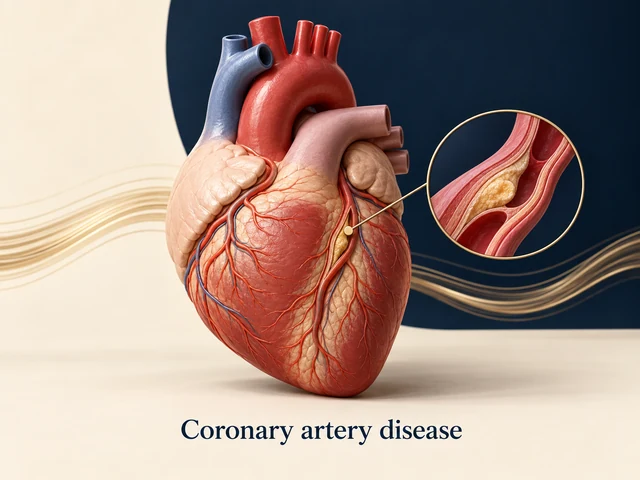
Arteriosclerotic heart disease (coronary artery disease) is narrowing or blockage of the coronary arteries from atherosclerosis (plaque buildup). It is the most common form of heart disease and often shows up as angina, a heart attack, or heart failure. The VA rates this condition under the General Rating Formula for Diseases of the Heart (38 CFR § 4.104): 100% when a workload of 3.0 METs or less brings on heart failure symptoms, 60% at 3.1 to 5.0 METs, 30% at 5.1 to 7.0 METs or with cardiac hypertrophy or dilatation confirmed by echocardiogram or an equivalent test, and 10% at 7.1 to 10.0 METs or when continuous medication is required for control. Congestive heart failure episodes and ejection fraction were rating criteria before November 14, 2021; they are not part of the current formula.
Explore Heart Disease Resources
Pick a group to see its pages. Everything here is a link to another page on this site.
Start Here (1 page)
Ratings and C&P Exams (2 pages)
Claimed Secondary to Something Else (3 pages)
Those Conditions on Their Own (4 pages)
Evidence and Proof (4 pages)
- PACT Act GuideThe conditions VA presumes are caused by toxic exposure.
- Toxic Exposure HubBurn pits, Agent Orange, water and the rest, in one place.
- Secondary Claim GuideHow a condition caused by another rated condition is claimed.
- Private Medical Records for a VA ClaimGetting your own doctor’s records in front of the rater.
Disclaimer: This tool is for informational purposes only and is not legal or medical advice. Always consult with your VSO representative or a qualified veterans benefits attorney for guidance on your specific claim.