VA Disability Rating for Lumbosacral or cervical strain (DC 5237)
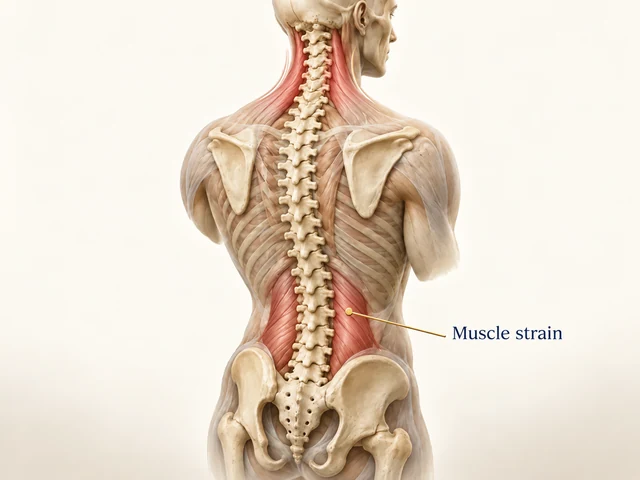
Diagnostic Code 5237 covers lumbosacral strain (lower back) or cervical strain (neck), injuries to the muscles, ligaments, and soft tissues around your spine. The VA rates this condition under the General Rating Formula for Diseases and Injuries of the Spine, the same ladder used for every condition coded 5235-5243 (except intervertebral disc syndrome rated under the Incapacitating Episodes formula). Ratings run from 10% to 100% based on how far you can bend forward, your total spine range of motion, muscle spasms or guarding, and whether any part of your spine has fused (ankylosis). Higher ratings apply when spine movement is severely limited or when entire spine segments fuse in a bad position.
Explore Back or Neck Strain Resources
Pick a group to see its pages. Everything here is a link to another page on this site.
Start Here (2 pages)
Ratings and C&P Exams (3 pages)
Claimed Secondary to Something Else (2 pages)
What a Bad Back or Neck Can Lead To (9 pages)
- Sciatic Radiculopathy Secondary to Back or Neck StrainHow the Board has handled this pairing.
- Neck Condition Secondary to Lower BackHow the Board has handled this pairing.
- Degenerative Arthritis Secondary to Back or Neck StrainHow the Board has handled this pairing.
- Migraines Secondary to Back or Neck StrainHow the Board has handled this pairing.
- Depression Secondary to Back or Neck StrainHow the Board has handled this pairing.
- VA Sciatica and Radiculopathy Claims GuideThe full guide to claiming shooting nerve pain down the leg or arm.
- VA Arthritis Claims GuideThe full guide to claiming arthritis.
- VA Knee Claims GuideThe full guide to claiming a knee condition.
- VA Joint Motion Claims GuideKnee, shoulder, ankle, hip and foot, and how motion loss is rated.
Evidence and Proof (4 pages)
- Secondary Claim GuideHow a condition caused by another rated condition is claimed.
- VA Causation Chains GuideHow one service-connected condition can lead to another.
- Private Medical Records for a VA ClaimGetting your own doctor’s records in front of the rater.
- Buddy StatementsLay statements, and what makes one carry weight.
Disclaimer: This tool is for informational purposes only and is not legal or medical advice. Always consult with your VSO representative or a qualified veterans benefits attorney for guidance on your specific claim.